



01AR
“Sells the deal he can ship.”
Aravind Reddy
Co-founder & CEO
Twelve years across BFSI platforms and product engineering at two acquired startups. Runs commercial strategy and the senior client relationships.

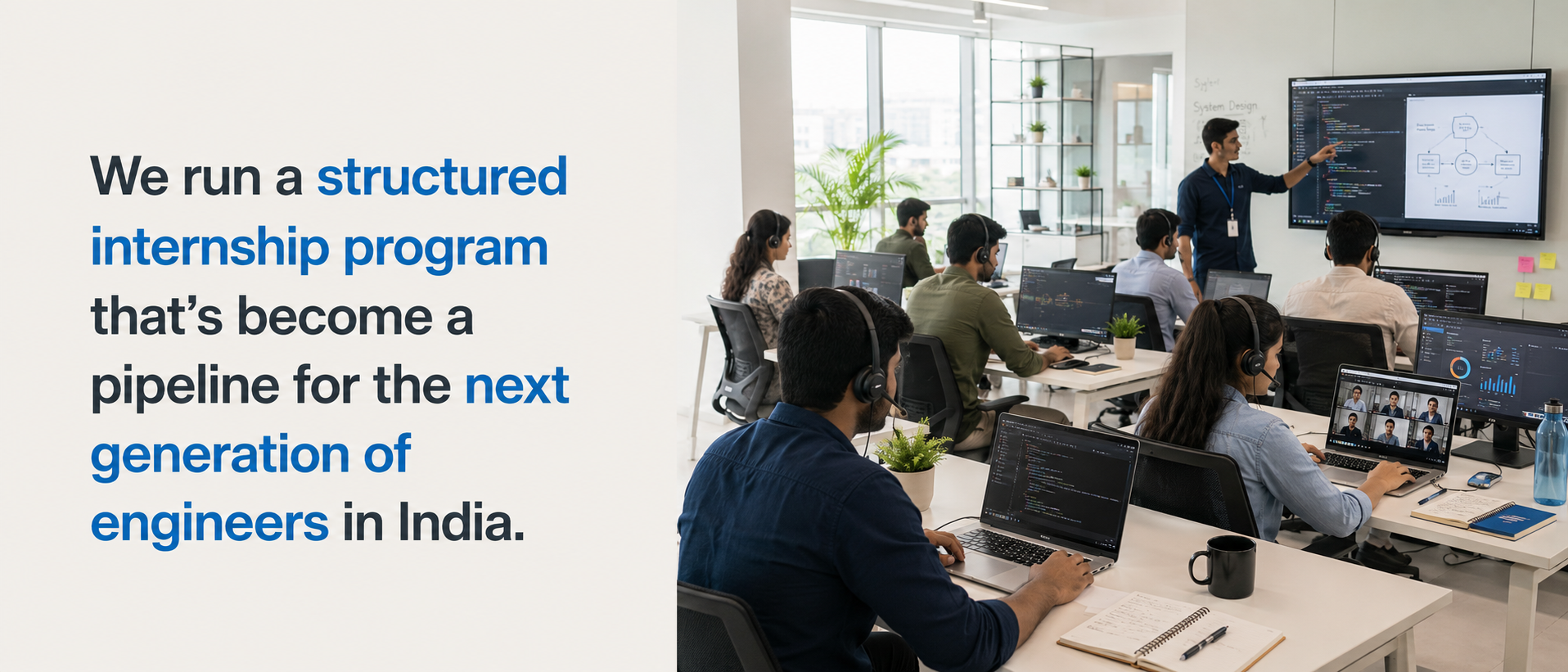
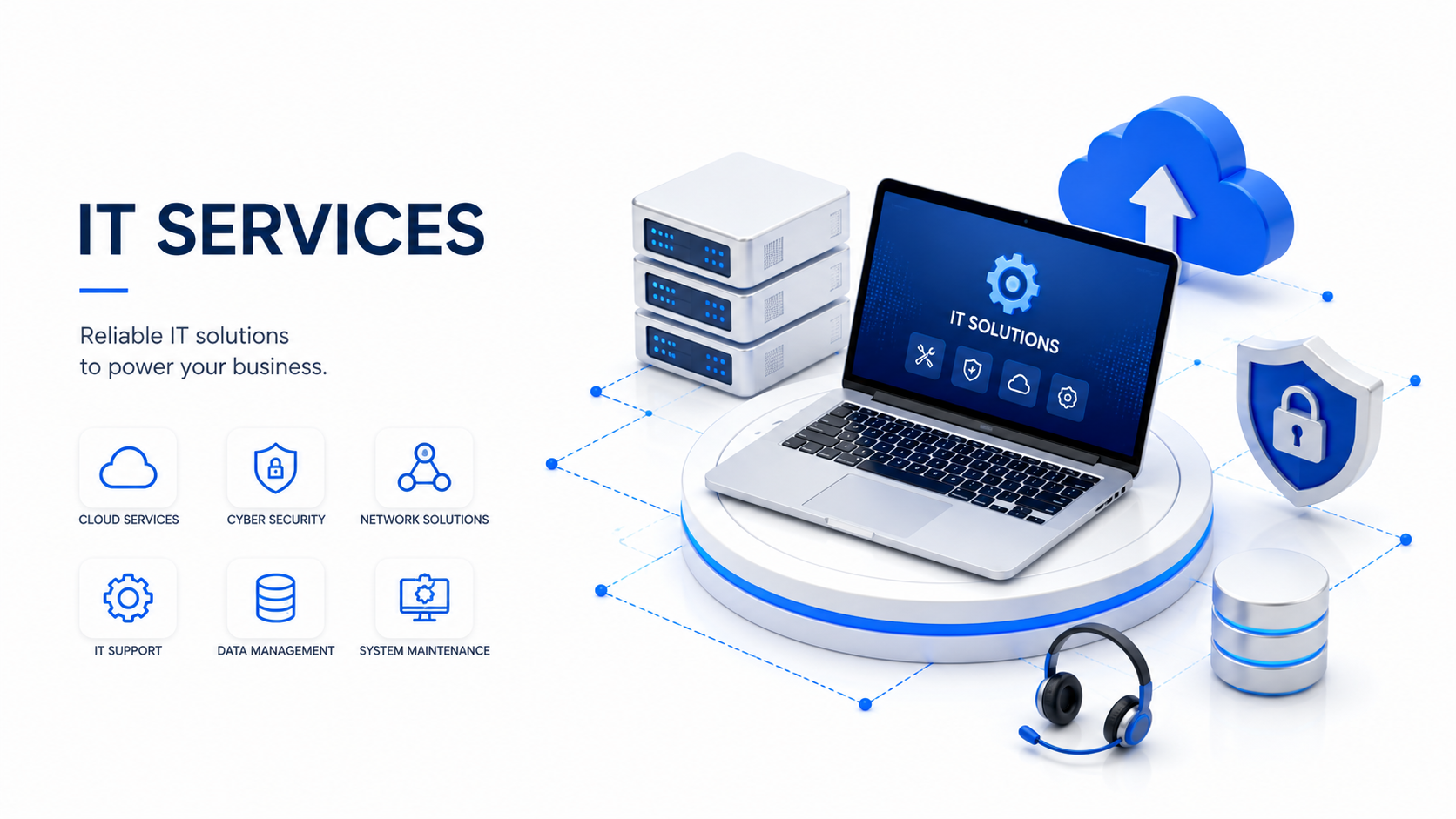
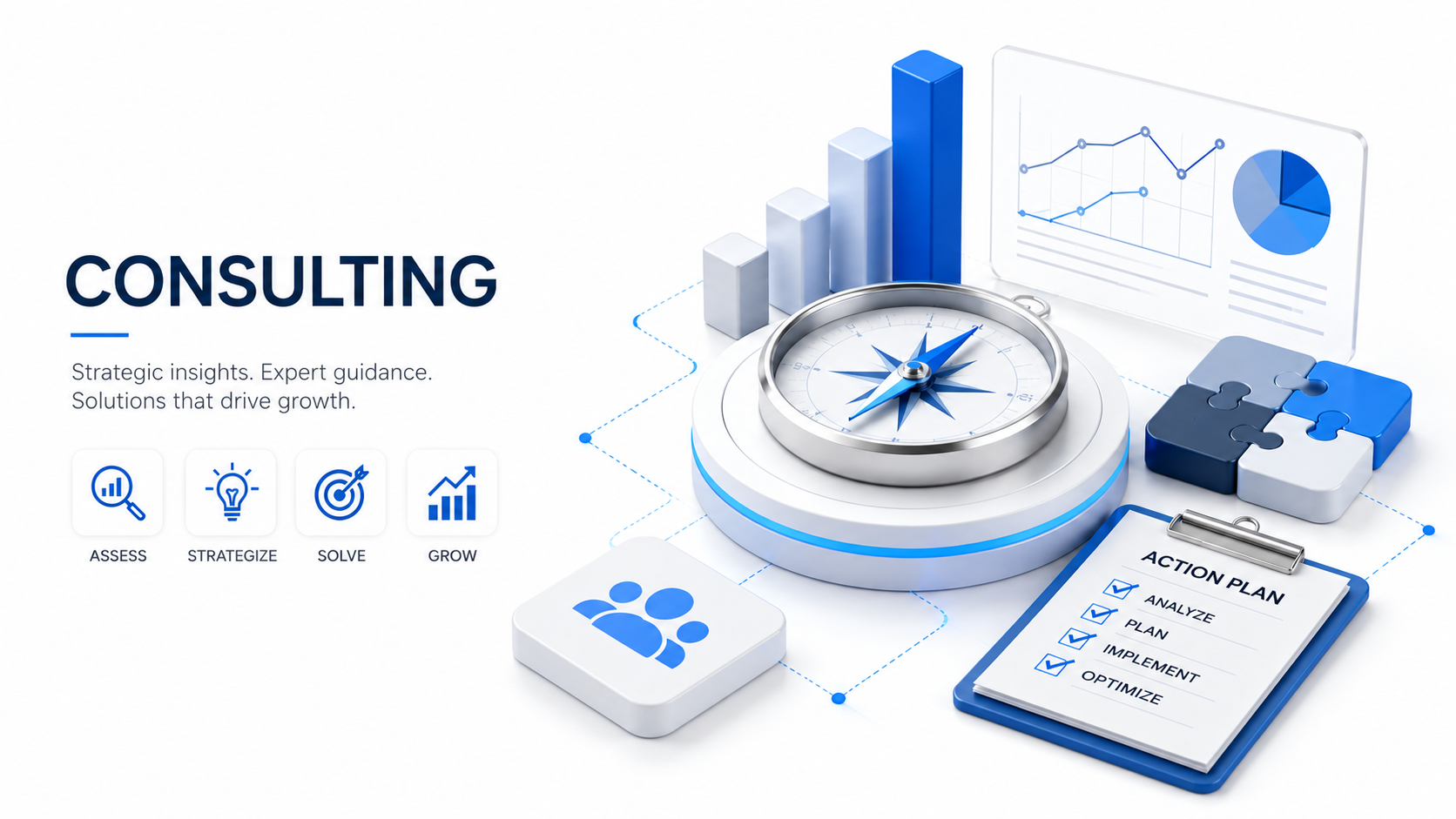
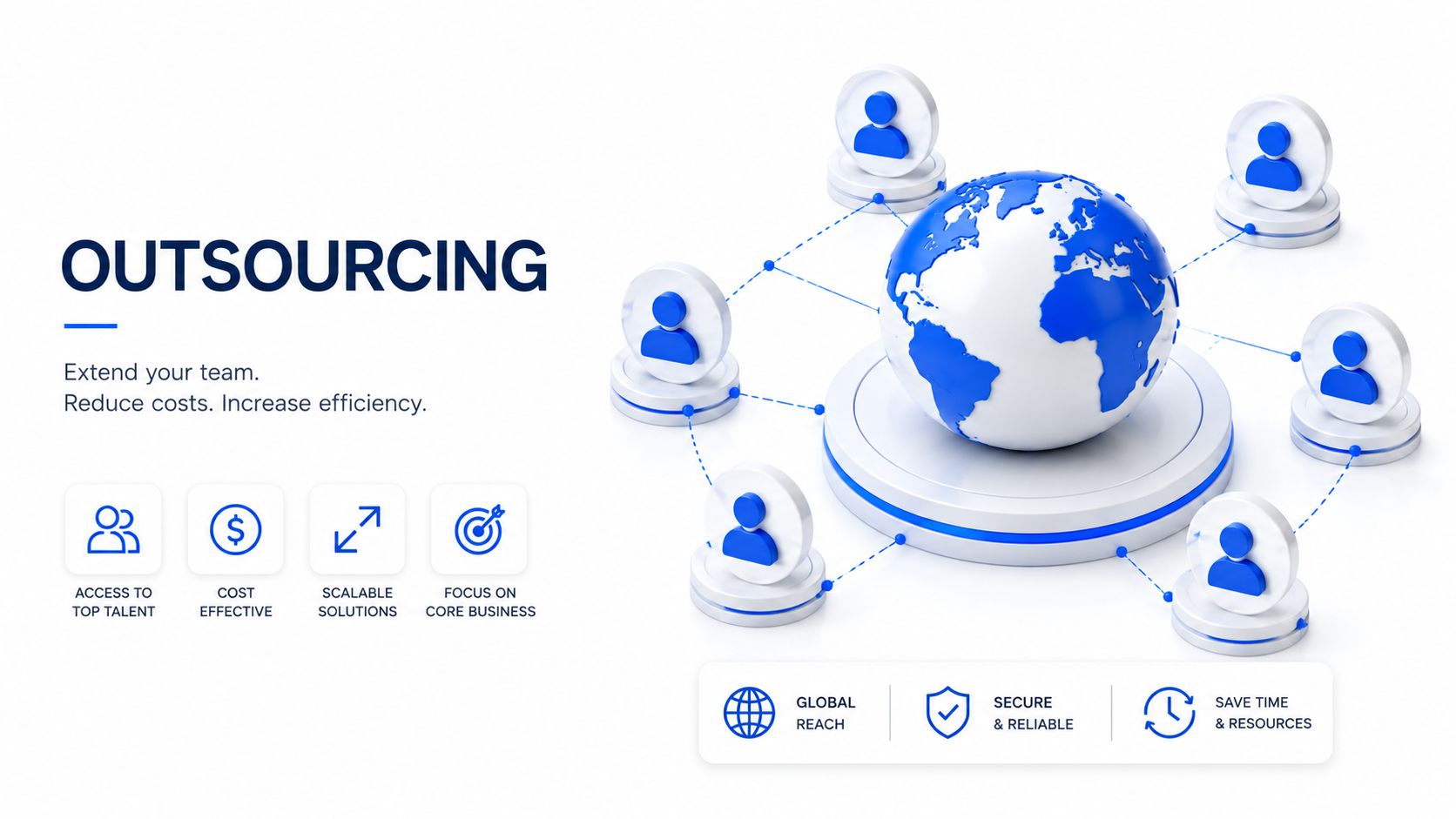
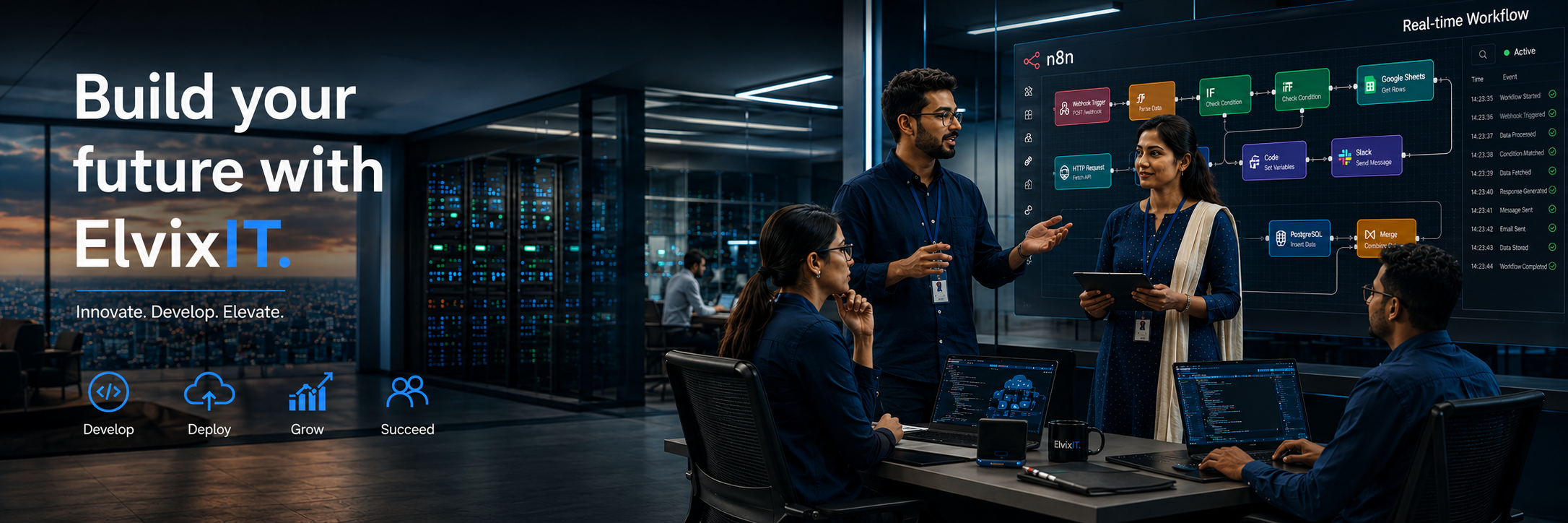
ElvixIT is a privately held, fully remote IT startup based in India. We sell senior engineering time — IT services, consulting, outsourced squads, applied AI, and a handful of our own products — and we run a structured paid internship program that's become how we recruit. Mentors and managers are the same people. The bar is the same bar. We've been profitable since year two and we have no outside investors to keep happy with quarterly growth theatre.
We wrote these on a whiteboard in 2021 and have edited them twice. They show up in hiring rubrics, project kickoffs, and quarterly retros. When something feels off about an engagement, one of these is almost always being violated — and naming which one usually fixes it inside a sprint.
Engineers, designers and AI specialists are hired by the same partners who staff your project. Tenure over throughput. Our average engineer has been here 2.6 years — long for an Indian IT startup.
We write the test harness, the golden set, and the failure taxonomy before the first prompt is tuned. If a behaviour isn't measurable, we don't claim it works.
Every squad ships behind a staff-plus engineer who reviews each pull request. No tickets routed through a junior queue. No surprise rotation off the account mid-quarter.
From week two, interns own real production work paired with a mentor. The bar is the same as for full-time engineers — and roughly 38% convert to offers.
Each partner owns a P&L for their practice and still writes code or runs a workshop in any given month. There is no separate sales org — the people you meet in pitch are the people you brief on Monday, and the ones you escalate to on a difficult Thursday.
Twelve years across BFSI platforms and product engineering at two acquired startups. Runs commercial strategy and the senior client relationships.
Ex-staff engineer with a decade in distributed systems and platform infra. Owns engineering standards, hiring, and the architecture review board.
PhD in ML, six years shipping retrieval and agentic systems into regulated industries. Leads the AI practice, evals discipline, and model-ops tooling.
Senior specialists who join squads on demand and converge for quarterly on-sites — the right people on your problem, without fixed-office overhead.
Senior specialists who join squads on a project basis. Quarterly on-sites.
Senior engineers, designers and AI specialists working alongside our interns — paired, reviewed, mentored. The same people build the platforms, run the agents and teach the curriculum. No internal handoffs, no silos between practice areas.
ElvixIT runs a small portfolio of in-house products — vertical SaaS, internal tooling, B2B AI — and a founder-partnership program for early-stage builders who want a senior squad on day one. The first version of every product on this page was used inside our own team before it left the building.
Each product is owned by a dedicated pod inside ElvixIT — a product lead, two to four engineers, an embedded designer, and a customer-facing solutions architect. We bias toward fewer products, deeper roadmaps.
Runs the internship program end to end — campus partnerships, structured curriculum, conversion track. Also leads people ops for full-time staff.
Lattice is the control plane our own engineers use to run agents against production codebases — issue triage, on-call summarisation, dependency upgrades, release notes. Every action runs through a policy gate and writes to an immutable audit log, which is what makes it usable inside BFSI and healthcare.
It started as an internal tool for our managed-services squads in 2023. After eleven months of dogfooding, we opened it to four design partners. Today it sits in front of roughly two thousand engineers across customer and internal teams.
Halftone reads your Postgres or warehouse schema, your auth config, and your audit requirements, and generates a typed internal admin — CRUD, approvals, exports, RBAC, SOC 2-friendly logs — that you own as code, not as a hosted dashboard. The output is a vanilla Next.js + Prisma app you check into your monorepo.
We built it because every services engagement spent the first sprint rebuilding the same back-office. Halftone collapses that into an afternoon. It is currently in a closed beta with eighteen teams across SaaS and logistics.
Field is our bet on the offline-first vertical: dispatch, route, evidence capture, and settlement for inspection and last-mile field teams. Built mobile-first for low-bandwidth Tier-2 deployments, with a Postgres-on-the-edge sync layer and an agentic dispatcher that reasons about SLAs, weather, and technician skill.
We are co-developing it with two anchor customers in insurance claims and one in solar O&M. General availability is targeted for Q3 2026; until then, access is invitation-only and tied to active vertical pilots.
Lattice and Halftone are commercial; Field is invitation-only until Q3 2026. For procurement, security questionnaires, or a vertical pilot, contact products@elvixit.com.
A program for technical and non-technical founders building B2B or vertical-AI products in BFSI, healthtech, edtech, logistics, SaaS, and public sector. We take a small equity stake in exchange for a senior squad and a working v1 — no day-rate invoices, no offshore body-shop dynamics.
Founders submit a one-page memo: the problem, the wedge, the unfair insight, and what's been built so far. We respond within ten business days. We accept four to six teams per year — most engagements start at idea stage or post-pre-seed.
A senior squad of three to five — engineer, designer, AI specialist, plus a fractional CTO — embeds for twelve to twenty-four weeks. We ship the first production cut, the eval harness, the internal admin, and the deployment pipeline. You retain full IP.
We exchange build cost for a single-digit equity stake on a standard SAFE-style instrument. The squad stays on retainer at a reduced rate for two quarters post-launch, then you hire your own team — often poaching ours, which we encourage.
Common stock or SAFE-equivalent. Vesting over 24 months.
From idea-stage memo to a deployed v1 with paying users.
2024 cohort: 71 applications, 10 partnerships signed.
We are sector-agnostic on consumer plays but actively biased toward problems with regulated buyers, deep workflows, and unsexy data — the kind of products where engineering rigour compounds and a six-month head start becomes a moat. Outcomes we expect from a successful cohort: a v1 in production, a paying design partner, an eval harness, a clean handover doc.
We write the test suite — golden examples, adversarial cases, latency budgets — before the first model call. If we cannot measure it, we will not ship it.
Every product on this page ran inside ElvixIT for at least six months before a customer touched it. Dogfood, instrument, iterate, then commercialise.
Customer deployments run on the customer's cloud against the customer's keys. No data egress, no model-training on tenant data, no surprises in the contract.